
Part 2: How Online Communities Replaced the Convention Dealer Room

In Part 1: The Convention Circuit: How Magic Gatherings Built, and Gatekept, Bizarre Magic as a Genre, I wrote about the lecture hall and the dealer room, the physical spaces where this genre got built and where it decided who got to belong to it. That structure didn’t collapse. It didn’t need to. It just found a cheaper building with no rent and no travel budget required.
The Gate Didn’t Close, It Moved
Here’s the thing most performers get wrong about the shift online: they think the gatekeeping ended when the forums showed up. It didn’t end. It just stopped requiring a plane ticket.
A convention lecture had a built-in filter, the price of the badge, the cost of the hotel room, the simple fact that you had to be a person who could show up somewhere in person and sit in a chair for forty-five minutes. That filter selected for money and mobility more than it selected for talent, and Part 1 covered how uneven that always was. The online version replaced geography with something else entirely, an invitation, a vouch, a password shared in a private message.
That’s not a smaller gate. It’s a quieter one.
A Discord server with an invite-only structure can vet a stranger in about the same way a dealer room table used to, someone vouches, someone watches how you carry yourself in the general chat for a few weeks, and eventually you get moved into the channel where the actual method lives. The difference is that nobody has to see your face to decide you don’t belong there.
What a Private Server Actually Vets For
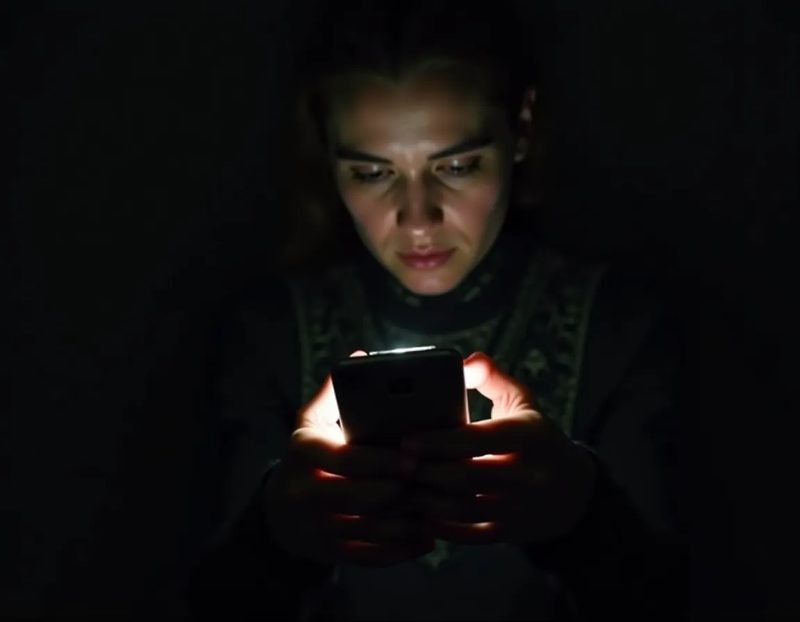
I’ve watched serious performers get let into rooms, digital rooms, based on things that have nothing to do with their hands. How they write. Whether they ask a question that shows they’ve already done the reading. Whether they name-drop the right book at the right moment.
None of that is wrong, exactly. A community has every right to protect the depth of what it shares. But it’s worth being honest about what’s actually being tested. It usually isn’t skill. It’s fluency, whether you already speak the dialect of the group before you arrive.
That’s a different bar than “can you fool a room.” It rewards the well-read newcomer over the quietly skilled one, and it can take years for the quietly skilled one to even find the door, let alone get invited through it.
The Paywall as the New Dues
Convention dues bought you a badge and a room full of peers. The paywalled video drop buys you a download link and, if you’re lucky, an invite to a comments thread. That’s the trade a lot of working mentalists made without ever quite agreeing to it out loud.
I don’t think that trade is a bad one, necessarily. Recorded lecture content is often better than the live version, it can be re-watched, paused, studied frame by frame in a way a hotel ballroom lecture never allowed. A serious student can now learn method from a performer they’d never have crossed paths with at any gathering, regional or otherwise.
But dues used to buy you something the paywall doesn’t, proximity to the people who’d just learned the same thing you did. You left a lecture and found the person two rows over who had the same confused look on their face, and you worked the method out together over a drink afterward. A paywalled drop gets you the content and drops you right back into a comments section with three hundred strangers, most of whom never post at all.
The method traveled. The room didn’t.
What this changes in practice
- You can learn faster, alone, at 2am, without waiting a year for the next gathering.
- You lose the informal correction that used to happen when a peer watched you attempt something wrong in real time.
- Reputation now forms from how you write about a piece of method online, not from how the room reacted when you performed it.
Reputation Without a Room to Read You
A working mentalist used to build a name by getting a slot on a small stage somewhere and having the room decide, in real time, whether the reaction was real. That verdict was blunt and immediate. Either the audience gasped, or they didn’t. Either the room went quiet in the way a room goes quiet when something actually lands, or it politely clapped and moved on.
Online, reputation gets built by argument instead of reaction. Someone posts a routine breakdown, a thread forms underneath it, and the performer’s standing rises or falls based on how well they defend a choice in text, days after the fact, to people who never saw the piece performed at all.
That’s a genuinely different skill. I know performers who are extraordinary in the room and nearly invisible online, they don’t write well, they don’t enjoy the debate, and their reputation in these circles suffers for it, even though nothing about their actual work has changed. And I know performers whose forum presence outpaces what they can actually do in front of a paying audience.
I tested a piece at a small private event near Louisville a while back that had already been picked apart in a forum thread I’d been following for weeks. The online consensus was that the reveal was too soft, too gentle to land. It landed. The room went still in that particular way, the kind where you can hear someone’s breath catch two seats over, and I stood there thinking about how differently this exact same trick had already been “decided” by people who’d never seen it happen to a real spectator.
The room and the thread are not the same court, and they don’t always reach the same verdict.
What Got Lost When the Gate Moved
Here’s what nobody likes to admit about the private server replacing the dealer room, it took away the accident. Conventions worked partly because of who you bumped into in the hallway, the conversation you didn’t plan on having with a stranger who turned out to know the one piece of history that reframed everything you thought you understood about a method.
Online communities are searchable, organized, sortable by tag. They are almost never accidental. You find exactly the thread you were already looking for, and nothing else. The serendipity that used to shape a performer’s whole understanding of the craft, the wrong turn into a lecture you didn’t plan to attend that ended up mattering more than the one you paid for, doesn’t really have an online equivalent.
There’s also something quieter that got lost, the physical tell. A room full of magicians watching a routine live will catch a hitch in timing, a flicker of hesitation, in a way a recorded video with good lighting simply won’t show. Method discussed in text loses the body entirely. You can describe a pause. You cannot transmit the way a pause actually feels in a room.
So yes, the knowledge is more available now than it’s ever been. The judgment that used to come attached to it, in person, in real time, from people who could see your hands shake, mostly didn’t make the move.
The New Gatekeepers Nobody Elected
Nobody voted a convention chair into power, but at least everyone knew who they were and roughly what they wanted. The moderator of a private server rarely gets named as a gatekeeper at all, they’re just “the guy who runs the Discord,” and yet they decide who gets the invite link, whose questions get answered, whose posts get quietly buried.
That’s a strange kind of authority, informal, often well-intentioned, and almost entirely unaccountable. A convention board answers to a hotel contract and a paying membership. A private server answers to whoever owns the account, and if that person disappears, gets tired, or simply decides they don’t like you anymore, the entire structure of access can vanish with one banned username.
I don’t think this makes the online model worse than the convention model. Both were always run by people with their own tastes and blind spots. But at least the convention circuit’s gatekeeping was visible enough to argue with. This new version hides in plain sight, dressed up as a friendly community with a cute server icon and a welcome channel.
Building Reputation in Both Worlds at Once
The performers doing the best work right now aren’t choosing one gate over the other. They’re treating the private server as the place where method gets sharpened in argument, and the live room, whatever local room they can actually get into, as the place where the argument gets tested against a real spectator who owes them nothing.
Neither one replaces the other. A forum thread can tell you your logic has a hole in it. Only a room full of strangers can tell you whether anyone actually cared.
If you’re building a reputation from scratch right now, my honest opinion is this: don’t optimize for the thread. Optimize for the room, whatever room you can find, and bring what you learn back to the thread only after you’ve already tested it on someone who wasn’t there to be impressed by your writing.
We build and gather the kind of pieces that reward that second kind of testing, the ones that only prove themselves once a real person is sitting across from you and the method has nowhere left to hide.
Browse the current collection at https://arcanerelics.com/shop/.