
Part 1 of 2 in Booking a Private Bizarre Magic Show.
A client called me once wanting a “quick séance thing” for a dinner party. Twelve people, ninety minutes, candles already on the table. When I gave him my rate, he laughed and said his daughter’s face painter charged less per hour. I didn’t argue. I just asked him what the face painter does after the party ends.
Nothing, obviously. The balloon animal deflates. The face paint washes off in the tub. What I do stays in the room long after I’ve packed up my case and left, and that’s the entire pitch, except most performers never learn to say it out loud. They price bizarre magic like it’s a corporate close-up gig with better lighting, then they wonder why the client who could actually afford the real number never calls back.
Standard Rate Cards Weren’t Built for This Genre
Most magic pricing guides assume a repeatable product. You learn a routine, you perform it at fifty corporate events, your hourly rate amortizes the learning curve until it’s nearly invisible. Bizarre magic doesn’t work that way, and if you’re pricing it that way, you’re leaving money on the table before the client even opens their mouth.
A séance built for a specific family, in a specific house, around a specific loss, is not a repeatable product. It’s closer to a commissioned piece of writing than a trick you pull from a case. You research the client’s history, sometimes their grief, sometimes an old family story they half remember and want made real again for one evening. You build language for a single sitting that may never be performed the same way twice.
Charge an hourly corporate rate for that and you’ve quietly agreed the research doesn’t count, the writing doesn’t count, and the emotional labor of sitting with someone’s dead grandmother’s story for a week doesn’t count either.
It counts. Price like it counts.
What the Client Is Actually Paying For

Break down a standard corporate booking and you’re selling stage time, mostly. Break down a private bizarre magic booking and stage time is maybe a third of the invoice, if that.
Here’s the fuller accounting, the one most performers never write down for themselves, let alone for a client:
- Discovery. A real conversation with the host, sometimes two, before you commit to a concept at all.
- Custom scripting. Language written for this sitting only, tuned to names, dates, and objects that belong to this specific family.
- Object or prop preparation. A relic, a sealed letter, a locked box built or sourced for this one telling.
- Rehearsal against the unknown. You’re not running a routine you’ve performed two hundred times. You’re running something new, alone, in your own space, until it holds.
- The sitting itself. Often ninety minutes to two hours, in a small room, with no audience buffer and no way to fall back on a crowd-pleaser if it goes sideways.
- The after. Bizarre magic done well leaves a residue. Clients call the next day. Some want to talk about what they felt. That’s still your time.
When you itemize it this way, the fee stops looking like an hourly rate and starts looking like what it is, a commission with a live performance attached.
The Intimacy Tax
Here’s something most working performers won’t say plainly, so I will. Smaller rooms should cost more per person, not less.
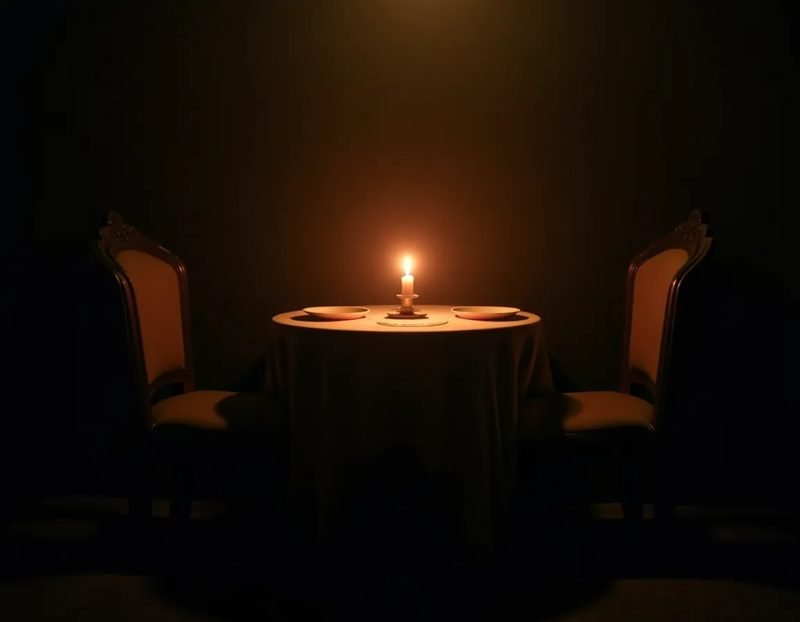
A theater show scales. Two hundred people watching from their seats is not meaningfully more demanding than a hundred, the material carries the same weight across the room whether it’s warm or cold that night. A private sitting for six people around a table does not scale. Every one of those six is close enough to see your hands shake, close enough to notice if your voice catches on a name that matters to them and not to you.
There’s no back row to hide in, there’s no lighting rig doing half your work.
I’ve run sittings for small groups where the whole performance lived or died on whether one person’s breath changed when I said a particular word. You can’t charge theater-scale-per-head rates for that kind of exposure. The intimacy is the product, and intimacy is expensive to deliver honestly.
Most performers discount private work because it “feels smaller.” It isn’t smaller. It’s just closer.
Anatomy of a Quote That Holds Up
When a serious client asks what a bespoke sitting costs, the number itself matters less than what’s behind it. A vague number invites negotiation. A structured one invites trust.
A quote that actually holds up under a client’s scrutiny usually has three visible layers:
- A base fee that covers discovery, scripting, and a single sitting of an agreed length.
- A materials line for anything built, sourced, or aged specifically for this client, disclosed as its own item rather than buried in the base.
- Travel and logistics, priced honestly rather than folded in and hoped nobody asks.
Notice what isn’t on that list. There’s no line for “magic.” There’s no line that tries to price the mystery itself, because you can’t, and trying to makes the whole quote read as inflated guesswork. What you can price is the labor that produces the mystery. Clients with real money respect an itemized labor cost far more than they respect a single big round number that dares them to question it.
I quote a base, a materials line when relevant, and travel, every time. No exceptions, and no apologizing for any of the three.
Reading the Room Before You Ever Quote It
Not every inquiry deserves your full rate, and not every inquiry deserves a quote at all. Part of pricing bizarre magic correctly is recognizing, early, which conversations are worth having.
A client who opens with “what’s your cheapest option” is telling you something true about how this booking will go the whole way through, listen to it. A client who opens by describing a specific person they lost, or a specific object with a history attached, is telling you something else entirely, they’re already invested in the outcome mattering. Price accordingly, and don’t feel obligated to explain the difference to either of them.
I’ve learned to ask one question early, before any number gets discussed: what do you want people to feel when this is over? The answer tells you more about the right fee than any budget conversation could.
If they can’t answer that question, they’re not ready for bizarre magic yet. They’re ready for a magician, which is a different and perfectly respectable thing, just not this thing.
What Serious Clients Actually Respect
Here’s the part that surprises performers new to this end of the business. Serious clients, the ones with real budgets and real reasons for wanting something unforgettable, are not looking for the lowest number. They’re looking for evidence that you understood the assignment before you ever quoted it.
A high fee stated with confidence and backed by a specific process reads as expertise. A low fee, or a high fee delivered apologetically, reads as doubt, and doubt is contagious. If you flinch at your own number, don’t be surprised when the client flinches too.
I’ve sat across from clients who never blinked at a fee once they understood what the process actually involved. Not because the number was small. Because it was earned, and they could see the earning in how I talked about it.
Price the research. Price the scripting. Price the intimacy honestly instead of discounting it out of habit. Do that consistently and the clients worth having will stop asking you to justify the number and start asking when you’re available.
If you’re building the material that justifies that kind of fee, the relics and correspondence pieces that anchor a real bespoke sitting live in the shop. Take a look: arcanerelics.com/shop/.
Continue reading: Part 2: Deposits, Riders, and Contracts, the Paperwork That Protects a Private Bizarre Magic Booking