
Part 2: Deposits, Riders, and Contracts, the Paperwork That Protects a Private Bizarre Magic Booking

If you read Part 1: Pricing the Impossible: What a Private Bizarre Magic Booking Should Actually Cost, you have a number. A fee you can say out loud without flinching. That number is worth nothing until it’s written down, signed, and attached to terms that survive a bad night.
I don’t believe a contract makes a performer professional. I do have a firm conviction that the absence of one makes a performer vulnerable, and I’ve watched good people learn that lesson at eleven o’clock on a Saturday, standing in a stranger’s dining room with a dead phone and a client who “thought it would be different.”
I’m not a lawyer. Have one read your template once. Then let’s talk about what belongs in it.
The Agreement Is the First Effect
Your client meets your paperwork before they meet your patter. It tells them whether you’re a hobbyist who shows up or a working performer who arrives with a process. That impression carries into the room, and it changes how they treat you once you’re there.
Keep it short. One to two pages, plain language, no Latin. A contract nobody reads protects nobody, and the host who skims a wall of clauses signs without understanding any of them. Then a dispute arrives and you’re both surprised.
Write it the way you’d speak to a guest at a table. Direct. Warm. Unmovable on the parts that matter.
Send it with your confirmation, not after. Sending terms after a verbal yes feels like a second negotiation, and hosts resent it.
Deposits and the Cancellation Clause

The deposit isn’t a down payment on the show. It’s the price of the date. Once you’ve held an evening, you’ve turned away every other booking that could have filled it, and that’s the loss the deposit covers. Say so in the agreement, in exactly those terms.
Most working performers I know take somewhere between a quarter and half of the fee up front, and they make it non-refundable. Fifty percent is easy to defend for a high-fee evening with travel. A quarter suits a smaller parlor booking. Pick one, and don’t apologize for it.
Then build your cancellation tiers around the calendar, not your mood:
- Far out: the deposit is kept, the balance is never owed.
- Inside two weeks: a larger share of the fee comes due, because you can’t refill the date.
- Inside forty-eight hours: the full fee. No exceptions written in, none offered aloud.
Offer one free reschedule, subject to your availability. It costs you little and it turns a cancellation into a retained client. That’s a better outcome than winning an argument.
Add an overtime line while you’re there. If the host wants another forty minutes, they should know the rate before the clock runs, not after.
The Rider: Room, Light, and Silence
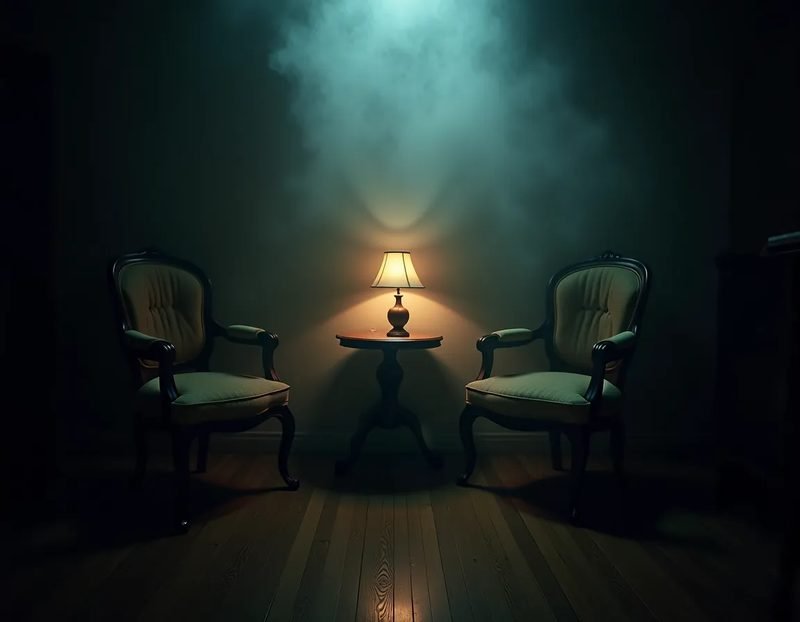
A rider sounds like something a rock band sends. It’s not. It’s a list of conditions under which your work functions, and for bizarre magic those conditions are a good part of the act.
Think about what the piece needs. A candle-lit reading dies under a ceiling fan. A quiet, slow effect gets murdered by a television murmuring in the next room. A guest who can’t see your hands can’t be fooled by them, and a guest who can see everything from the wrong angle will find your method for you.
Here’s what I’d put in yours:
- A clear playing area, and a sturdy table of a stated size.
- Dimmable lighting, plus a named person who controls the switches.
- All music, televisions and background audio off during the performance.
- Seating arranged so no guest sits behind you or at a sharp side angle.
- Thirty minutes of private access before the guests arrive.
- Open flame only with the host’s written consent, and never left unattended.
That last one matters more than it looks. Candles and old paper are a natural pairing for our kind of work, and a smoke alarm at the wrong moment ends a mood faster than any heckler.
Add a filming clause too. Ask that guests not record the performance without your permission. A phone held up during a reveal doesn’t just protect nobody, it hands your method to whoever scrubs the footage frame by frame.
Guest Counts and Who Gets Picked
Intimate work has a ceiling. Every performer finds it eventually. Past a certain crowd, a whispered piece turns into a shouted one and the atmosphere you spent an hour building goes flat in the back rows.
Put a guest cap in the contract, written next to the fee. If the host adds twelve people after signing, the price moves or the format does. I’d rather hold that line in writing than argue it at the door with a caterer standing behind me.
Consider a volunteers clause as well. Tell the client up front that you’ll invite guests to participate, that nobody is forced, and that you’ll choose based on the piece. It sounds minor. It heads off the awkward moment where the host’s mother-in-law was “promised” she’d be the one.
And one more, for evenings with alcohol. You reserve the right to shorten or end a performance if the room can no longer give it attention. Nobody enjoys enforcing that. Everybody’s grateful it was written down.
The Séance Request, and the Guest Who Just Lost Someone
This is the clause nobody teaches. You learn it once, and you don’t forget it.
A host books a séance-style evening for a small gathering in Anchorage. Lovely. Atmospheric. Exactly your material. Then, two days before the date, she mentions in passing that one guest lost her husband last month, and wouldn’t it be moving if he “came through”?
My hands go still when I read that kind of message. I feel it low in my stomach before I’ve finished the sentence.
Because I can build a piece that sounds like a message from the beyond. Any capable mentalist can. What I can’t control is what it does to a person in the first weeks of grief, who may not hear theater at all. She may hear a real voice. Then she leaves believing it.
That’s not a moral panic, it’s a professional risk, and it belongs in your paperwork:
- State plainly that the performance is entertainment and makes no claim to contact the actual dead.
- Require the host to tell you, before the date, about any guest recently bereaved.
- Reserve the right to adjust, soften or remove any segment involving named deceased persons.
- Reserve the right to speak privately with the host about the format beforehand.
Most hosts respond well. They hadn’t thought about it, and they’re relieved you did. In my experience the conversation makes the evening better, because the host starts protecting the mood rather than chasing a stunt.
I don’t necessarily believe the dead speak through a table. I do believe the living are listening.
Send It Like You Mean It
A clause you’re embarrassed to enforce isn’t a clause. It’s decoration. Write only what you’ll hold to, and then hold to it, kindly and without drama. The tone you use the first time a host pushes back sets the terms for every booking after.
Read your agreement aloud once. If a sentence sounds cold, warm it up. If it sounds like you’re begging, tighten it. It should sound like the person who’ll walk into their home, fill it with quiet, and leave with the room still holding its breath.
Keep a copy in your case, printed. The one time a phone is dead and a question comes up, you’ll be glad!
Part 1 gave you the number. This gave you the paper. Between them, you can stop negotiating in the doorway and start performing.
And the props themselves? You’ll find them in the Arcane Relics shop, where the pieces are chosen for people who take the work, and the evening, seriously.