Their Hands, Their Miracle: Why Volunteers Believe Most When They Did the Work

A man in the third row shuffles your deck himself. He writes a card’s name on a slip he folded twice. He placed it in his pocket. Not you. Not your hands. His. By the time you divine his card, he doesn’t believe you guessed it. He believes he made something impossible happen, and you were just there to translate it.
The Authority of Action
Most performers hand over tasks to volunteers for one reason: misdirection. The spectator’s eyes follow their own hands instead of watching yours. That’s half the picture, and honestly, the less interesting half. The real power lives somewhere deeper, in a place psychology has a name for. When someone performs an action themselves, they develop a sense of ownership over the outcome. They didn’t watch something happen to them. They made something happen. Their hands did it.
I tested this at a private event in Jeffersontown. Two identical card forces. First one, I controlled the selection. I spread the deck, they chose. Standard. They named the card, I revealed it. Their reaction was polite surprise. The second force, I let them shuffle afterward, let them cut, let them place the card back in the deck themselves. Same outcome. Different face. Their jaw tightened. They swallowed hard. “You’re not… you’re not touching anything. How are you doing this?” They couldn’t accept the explanation. They needed their own hands to have done something, and if their hands did something, then the impossible they witnessed came from somewhere beyond both of us.
Agency rewires belief.
Why We Trust What We Control
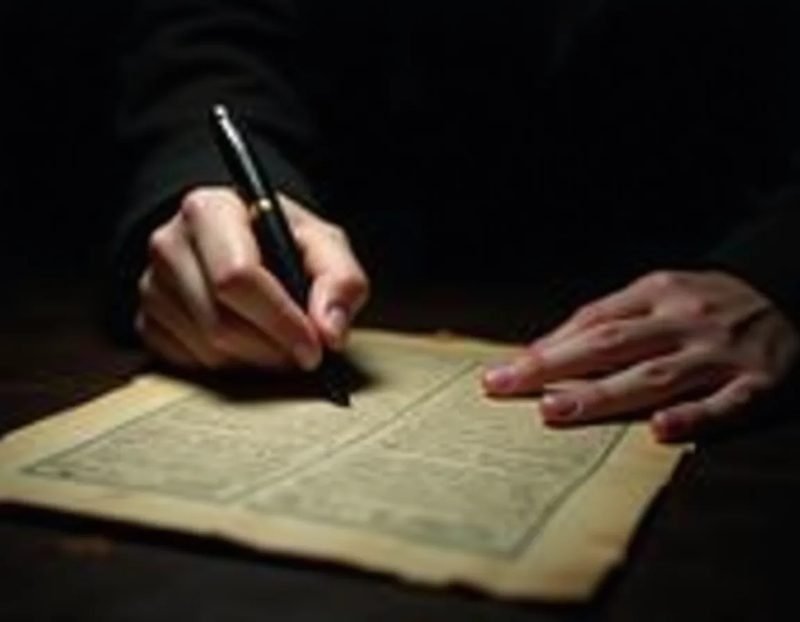
Here’s what neuroscience knows about control: when you perform a voluntary action, your brain logs it. It stamps it with certainty. You chose. You executed. The outcome that follows feels like cause and effect, even if the cause was an illusion. Even if what you think you controlled was constrained to a single path you didn’t see.
A volunteer who freely chooses a card from an open fan will defend that choice against any doubt. They saw the deck. They selected. Nobody forced their hand. But a volunteer who also shuffled, also cut, also placed the card back, has now authored the miracle in their own narrative. They touched every step. From their perspective, the only way you could know is if you’re reading something real about them, something true. The skeptic in them has nowhere to stand.
This is the crack in rational disbelief. Once someone believes they controlled the variables, they can only explain the impossible one way: something genuinely impossible happened. A lucky guess becomes implausible. A hidden peek becomes impossible (they watched). A force becomes impossible (they chose freely). What remains is the thing they’re least willing to dismiss. You.
This is why the best mentalism feels like collaboration, not prediction.
The Architecture of Invisible Constraint
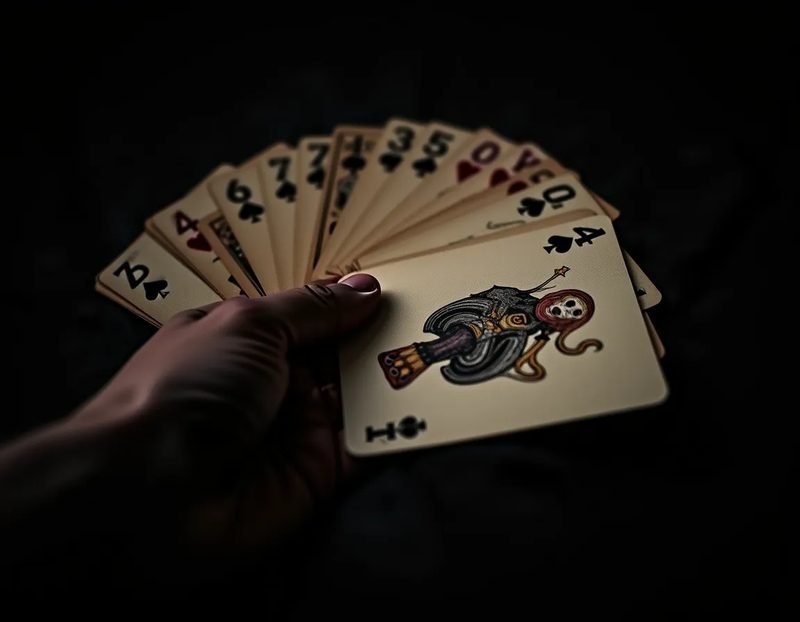
The work is in the engineering. You’re not giving them real freedom. You’re giving them the feeling of freedom while the outcome stays locked. The technical names are familiar: forces, equivocation, multiple outs. But the psychological architecture underneath matters more than the sleight.
The Stigmata force is a good example. You spread the deck in your hands. They point to a card. You cut it to a known location, or you controlled it beforehand. They see choice. They feel agency. They have no idea they chose from a fixed set. But the illusion of free will does the work. Their mind accepts the outcome as theirs. The sleight is clean, but the psychology is cleaner.
Or take the classic “any card” classic force. You fan the deck. Your principle card is there among fifty others, but you angle, time, and position so that when they reach, that’s where their hand naturally falls. They don’t feel forced. No one watching sees a trick. It’s just a volunteer choosing freely. And you’re right. They did choose. They chose exactly what you engineered them to choose.
The honest truth: constraint feels like freedom when it’s invisible.
The Volunteer’s Authorship
Here’s where most performers miss the real opportunity. They stop at the force. The card is chosen, controlled, done. Now reveal it. But if you want the volunteer to believe they made the miracle, you have to give them more to author. More skin in the game. More evidence, in their own memory, that they touched the outcome.
Let them shuffle after the force. Let them cut. Let them place the card back. Let them even shuffle again, if your technique holds it. Let them write the card down on a slip, fold it, keep it. These additions aren’t padding. Each one is a moment they can point to later and say, “I did that. He never touched it after I chose.” Your hands stayed visible, stayed still, stayed innocent. Their hands wrote the fate.
A woman in Jeffersontown once told me after a performance, “I watched you the whole time. Your hands never went near the card after I put it back.” She meant it as amazement. She meant it as proof. But what she was really saying was: I authored the impossible, and you were just the translator. That’s the highest form of belief. It’s not “he’s magic.” It’s “I made something magic, and I can’t explain it.”
You’ve moved from performer to witness.
The Subtlety of Handed-Over Control
The temptation is to overplay the restraint. To make a show of keeping your hands visible, of not touching anything. That broadcasts the trick. It says, “I’m trying very hard not to do something suspicious.” Instead, the goal is for your hands to be irrelevant. You’re not resisting the urge to touch. You’re simply not there.
This is the dangerous ground where good technique becomes great showmanship. You’re moving freely, naturally, like someone who has nothing to hide because they don’t. Your hands are in sight, but they’re in sight the way a magician’s hands are always in sight. The volunteer’s focus has moved to their own hands, to the card, to their written slip. You’ve become background detail.
I’ve seen performers ruin this by gesturing too much, by calling attention to their empty hands, by saying things like, “See, I never touched it.” The moment you announce the absence, you’ve created suspicion. The moment you point out what didn’t happen, you’ve planted the question of how it could have anyway. Let them discover it themselves. Let them reach the conclusion that your hands stayed still because you didn’t need your hands.
Silence and stillness do more work than words.
Building the Performance Around Their Contribution
Once you’ve structured the effect to let them author it, the last step is to shape your presentation so they see their authorship. Call attention to their choices without highlighting your technique. “You shuffled the deck yourself. You chose from that shuffle. You placed the card back. You wrote the name down.” Not because they need reminding, but because they need to hear that sequence reflected back to them as agency.
The reveals matter too. Don’t just name the card. Make them name it first. Make them show the slip they wrote. Make them verify, with their own hands and eyes, that you told the truth. You’re not showing off. You’re handing them the moment of recognition. That gasp, that second of disbelief, that’s when they know they made something real. You just read it.
In Jeffersontown, after the woman I mentioned verified the card, there was silence. Not the silence of doubt. The silence of someone recalibrating what’s possible. She looked at her own hands like she’d never seen them before. “I shuffled it,” she said quietly. “I put it back.” She was building the narrative, locking in the evidence. By the time she looked at me, she’d already decided. She wasn’t asking for an explanation. She was looking for confirmation that she wasn’t losing her mind.
That’s the only reaction that matters.
Why This Works When Everything Else Fails
There’s a reason volunteer participation is the oldest tool in mentalism. It’s not because it’s easy. It’s because it works on a level below skepticism. A person who hears you predict a card will find seventeen ways to dismiss you. A person who chose the card themselves, shuffled, placed it, wrote it down, and then watched you know it? That person has run out of escape routes. They can call it cold reading. They can call it statistic. They can call it lucky. But their own hands have built the prison of their disbelief.
Every performer has a moment when they realize the difference between making people believe you’re clever and making people believe something impossible happened. The first is a trick. The second is a break in the world. You don’t get there with flash. You get there by understanding that belief isn’t something you force into a spectator. It’s something you build with them, brick by brick, using their hands instead of yours.
Their authorship is your greatest secret.
The Path Forward
If you’re building a new piece or revising an old one, ask yourself this question: where does the volunteer’s agency end and mine begin? If you answer too quickly, you’re missing something. The volunteers who believe hardest aren’t the ones who watched the most carefully. They’re the ones who did the most. They’re the ones who can trace their own hands through every moment and still can’t explain the outcome.
Start with a force that feels like free choice. Add layers of their action, their control, their touch. Build your revelation so they verify it themselves. Then get quiet and watch what happens when they understand they authored the impossible. That moment is why this art form exists. Not to fool them. To shatter their certainty, gently, using their own hands as the hammer.
The miracle isn’t that you knew. The miracle is that they made something real, and they can’t explain it.
Want to deepen your work with psychology and agency? Explore our collection of props and principles designed to shift control into your spectators’ hands without losing an inch of your own. Visit Arcane Relics.