Casting Before the Curtain: How Mentalists Choose a Volunteer Before the Room Notices

Every working mentalist has stood at the edge of a room and felt it before understanding it, a pull toward one face in the crowd and away from another. Most performers think volunteer selection happens when they say “how about you, sir.” It doesn’t. It happens sixty seconds earlier, while you’re still setting your table, still adjusting a lav mic, still pretending you haven’t already made your choice. The room reveals itself before you ever ask it to participate. Most performers don’t watch for that. Most performers are wrong to skip it.
The Sixty Seconds Before You Ever Speak
I don’t necessarily believe casting is instinct in the mystical sense. I do, however, have a strong conviction that it’s pattern recognition dressed up as instinct, the kind you build after watching a few hundred audiences behave in a few hundred rooms.
Before I say a word to a crowd, I’m already watching who leans forward when I walk in, who checks their phone, who talks to the person next to them versus who sits quietly and studies me. That quiet study matters more than almost anything else. A person who watches you closely before you’ve asked anything of them has already decided, somewhere under the surface, that they’re willing to be watched back.
I worked a private event in the Louisville area a while back where I clocked my volunteer before I’d finished my opening line, a man in a rumpled blazer who hadn’t touched his drink and hadn’t looked away from me once. He wasn’t the loudest person in the room. He wasn’t trying to be noticed at all.
He turned out to be exactly right.
Where They’re Sitting Tells You Who They Are
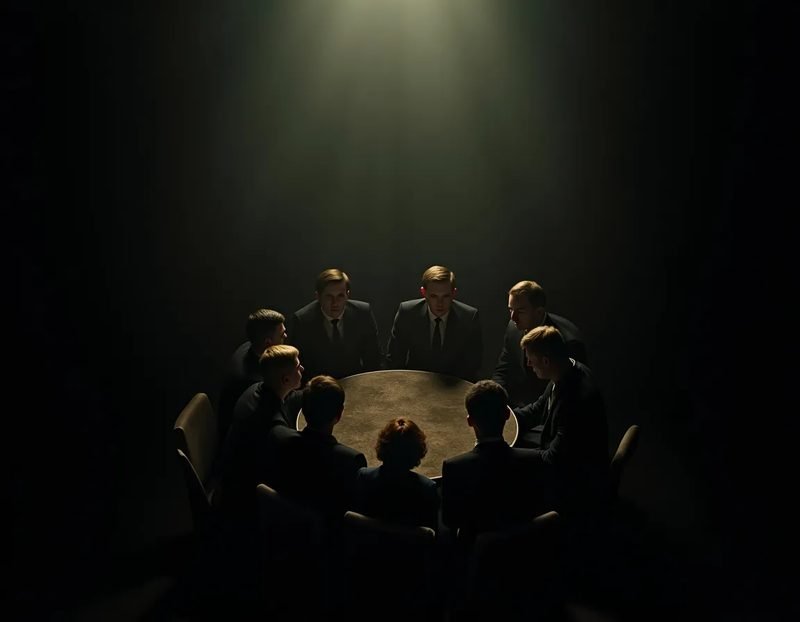
Seating position is not random, it’s confession. People choose where to sit based on how visible they want to be, and that choice happens before you’ve even entered the room.
Center-front seats attract two very different personalities: the genuinely eager and the performatively eager. Learn to tell them apart. The genuinely eager lean in with their whole torso. The performatively eager lean in with their chin, chasing attention rather than experience, and they’ll fight you for control of the moment once you bring them up. That’s a bad casting decision waiting to happen.
The aisle seats are worth watching too. Someone who picks an aisle seat at a show wants an exit route, physically or socially. That’s not a rule against them, plenty of wonderful volunteers sit on the aisle, but it’s data. Combine it with everything else you’re seeing.
Back-of-room sitters get dismissed by performers who haven’t done this long enough. Don’t make that mistake. Some of the sharpest, most emotionally present volunteers I’ve ever worked with were sitting in the back because they wanted to observe the whole room before committing to anything, including you.
Reading the Body Before the Mouth Opens
Arms crossed doesn’t automatically mean closed off, I know that’s the tired advice everyone repeats, and it’s not always true. Context is everything. A person with crossed arms who’s also nodding along, whose eyes track your every move, is engaged. A person with crossed arms who’s glancing at the exit is not.
What I actually watch for is mirroring. If someone in the crowd starts unconsciously matching your posture, leaning when you lean, going still when you go still, they’ve already synced with your rhythm. That synchronization is the real tell, it happens below conscious thought, and it’s a far more reliable signal than a raised hand or an eager smile.
Eye contact duration matters too. A volunteer who holds eye contact a beat longer than is socially comfortable is telling you something real. They’re not performing interest for the people around them, they’re actually present with you.
My hands go still sometimes when I spot it, that half-second where I know I’ve found my person before I’ve said a word to them.
The Loud One Is Rarely the Right One
This is the part most guides get wrong, and it costs performers clean effects more often than any technical fumble ever will.
The person waving their hand, calling out “pick me,” standing halfway out of their chair, they want the spotlight. That’s fine for some formats. It is disastrous for most mentalism, where the entire illusion depends on the room believing this ordinary person had no idea what was coming and no reason to perform for you.
An audience reads a volunteer’s motives the same way they read yours. If your volunteer is visibly hungry for attention, the room quietly discounts everything that happens next, they assume some collusion, some eagerness to play along, even when there’s none. You’ve done nothing wrong and you’ll still lose credibility you never should have had to defend.
Social proof is a trap here, it fools performers who mistake enthusiasm for suitability. The volunteer who raises their hand is voting for themselves. The volunteer you actually want rarely votes at all, you have to go find them.
When the Read Goes Wrong
I’ve misread a room. Every performer who tells you they haven’t is either lying or hasn’t worked enough rooms yet to know what a bad read feels like.
The most common misread isn’t picking a bad person, it’s picking a guarded person and mistaking their guardedness for cooperation. You bring them up, and thirty seconds in you feel the temperature drop. Their answers get short. Their body angles away from you toward their seat, toward the exit, toward anywhere that isn’t this stage.
My jaw tightens the moment I feel that shift, because I know I have maybe ten seconds to recover the moment before the whole room feels the friction too.
Recovery starts with giving them an easy win immediately, something low stakes that lets them relax into the role rather than perform under scrutiny. Ask a simple question. Make a small joke at your own expense, never theirs. A guarded volunteer who feels mocked will shut down completely, and once that happens, no technique in the world saves the effect.
The deeper lesson here is that casting isn’t a one-time decision made at the moment of selection. It continues for the entire length of the interaction, you’re reading and adjusting the whole time, not just in that first sixty seconds.
Building the Instinct
You build this the same way you build any skill worth having, through repetition and honest review afterward. After every show, ask yourself who you almost picked and why you didn’t. That near miss teaches you as much as the choice you actually made.
Watch rooms even when you’re not performing. Restaurants, waiting rooms, family gatherings, they’re all free practice. Notice who’s mirroring whom, who’s holding eye contact a beat too long, who chose the seat closest to the door and why. This kind of observation becomes second nature faster than most performers expect.
Trust builds slowly and then all at once.
By the time you’re standing at the edge of your own room, scanning faces before your opening line, you won’t be guessing anymore. You’ll already know.
If you’re the kind of performer who studies a room the way I do, who wants your tools to carry the same weight as your read, take a look through what we’ve built at Arcane Relics: https://arcanerelics.com/shop/.